
Trees are one of the best investments a garden can have, but every year in the UK, trees fail during storms and take roofs, cars and fences with them. The good news is that most dangerous trees give warning signs long before they fall. Learning to spot them can protect your property and your family, and it could save a healthy tree that simply needs a little care.
What Are the Warning Signs of a Dangerous Tree?
The most important signs are dead branches, cracks in the trunk, a sudden lean, fungal growth at the base, hollow or decaying wood, and root damage. A large dead branch high in the canopy is a falling hazard in any wind. Cracks or splits running down the trunk, especially where the trunk forks, mark structural weak points. Fungus such as mushrooms or conks at the base of the tree usually means internal decay you cannot see from the outside.
Is a Leaning Tree Always Dangerous?
Not necessarily. A tree that has always grown at a slight angle can be perfectly stable, and some species lean naturally as they reach for light. The danger sign is a lean that has appeared or increased suddenly, particularly with cracked or heaving soil at the base, because that suggests the roots are failing. If a tree has shifted noticeably after a storm, keep people and vehicles away and have it assessed promptly.
What Does Fungus at the Base Mean?
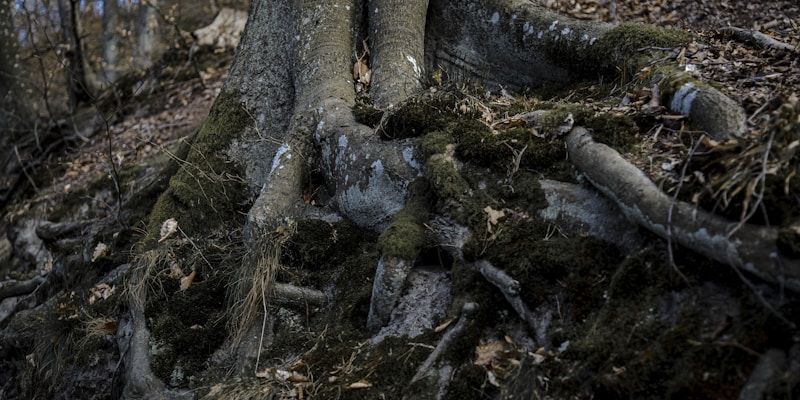
Fruiting bodies such as mushrooms, brackets and conks near the root flare are among the most reliable indicators of decay. They mean the wood inside is rotting, which reduces the tree's structural strength even when the canopy still looks green. Not every fungus is fatal, and the extent of the damage determines what happens next. Sometimes treatment and pruning can buy the tree years; sometimes removal is the only safe option.
Can a Dangerous Tree Be Saved?
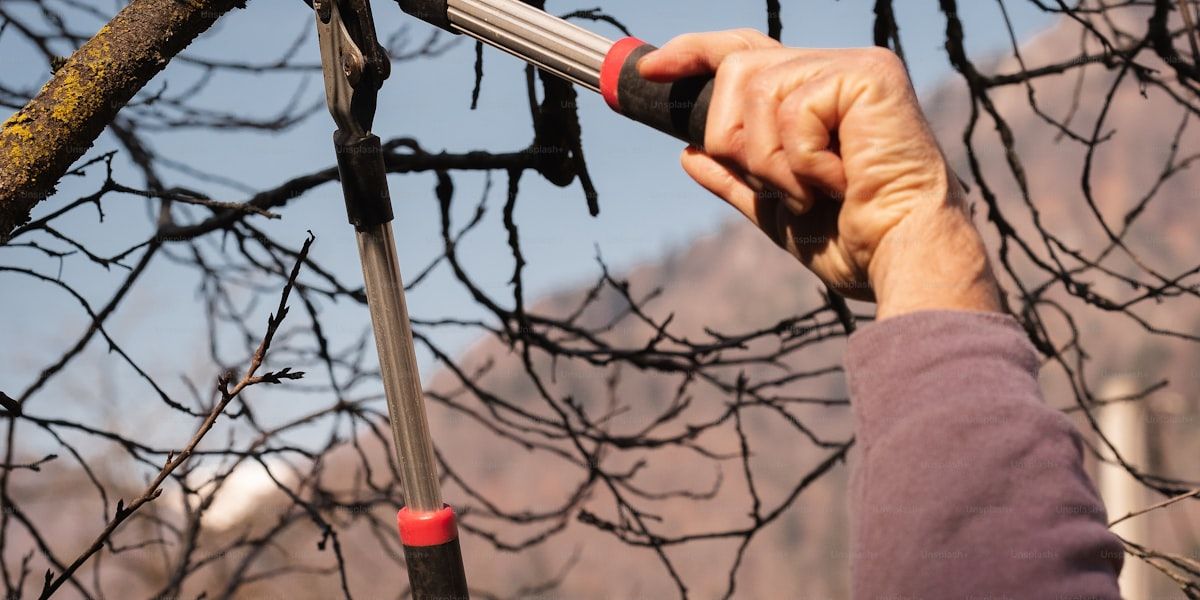
Often, yes. Early decay, a few dead limbs or a treatable disease can frequently be managed with professional tree pruning, targeted feeding or bracing. Structural problems, such as a split trunk, extensive decay or root failure, usually cannot be reversed, and then tree removal is the responsible choice. The only way to know which situation you are in is a professional assessment.
How Often Should Trees Be Inspected?
Once a year is a sensible baseline, ideally in spring when new growth makes problems easier to spot. If you have recently had a storm, drought or construction work near your trees, schedule an inspection sooner. For trees close to houses, driveways or play areas, an annual check is cheap insurance against a very expensive event.
What Should I Do If a Tree Is an Immediate Danger?
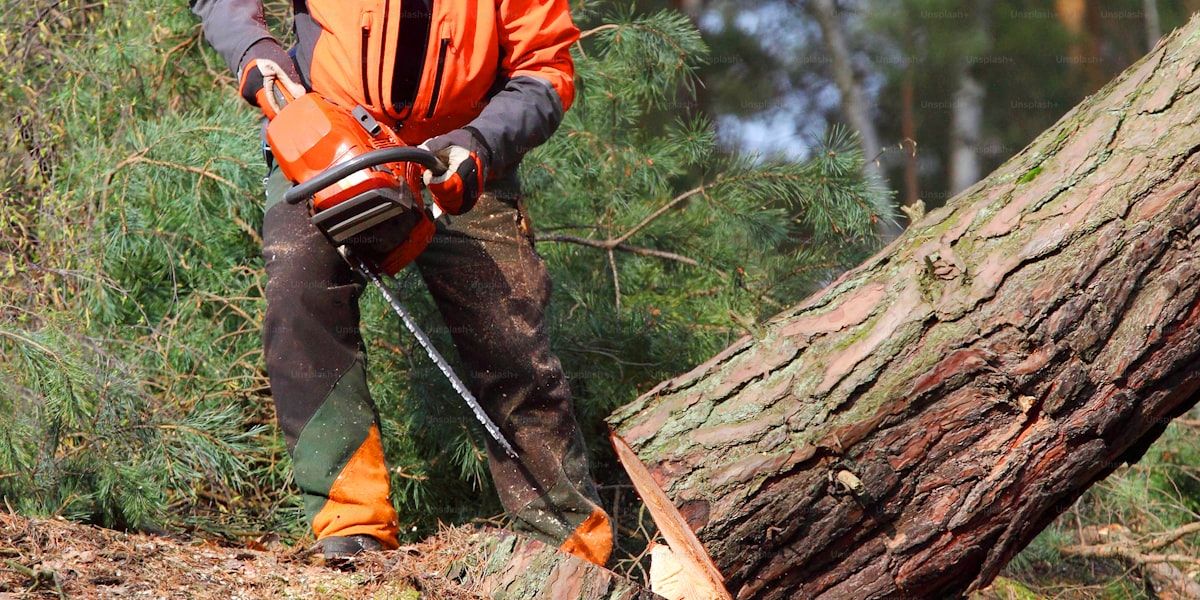
If a tree or large limb is leaning over your house, resting on a structure, or touching power lines, treat it as an emergency. Keep people away, contact your electricity provider if lines are involved, and call a professional arborist straight away. Our emergency tree work team responds quickly across Runcorn and the rest of Cheshire, and will make the area safe as a priority.
Further Reading
- Emergency Tree Work After a Storm: What to Do A step-by-step response plan for storm-damaged trees.
- Do I Need Permission to Cut Down a Tree in My Garden? The rules around protected trees before you act.